



















A practical guide for women ready to live with more peace, presence, and emotional clarity
By Chelsea Ross, Founder of Goddess Retreats
One of the deepest truths I have come to know, both through teaching and personal experience, is this:
If your mind is not in a good place, it will not matter how beautiful your surroundings are, how successful your career is, or how much love is trying to reach you. You simply will not be able to receive it.
We are often taught to chase happiness by changing the external conditions of our lives. We change jobs, leave relationships, move cities. Sometimes, this kind of shift is both necessary and healing. However, the most enduring transformation begins within. It begins by changing the internal environment,our thoughts, emotional patterns, and the way we relate to ourselves.
This is not about positive thinking or pretending everything is fine. It is about developing emotional skillfulness. It is about learning how to stay grounded, clear, and compassionate in the midst of life’s ever-changing circumstances.
At Goddess Retreats, we speak often about the importance of cultivating inner balance. But what does that really mean? And how can we begin to experience it?
Let us begin with the foundations.

The Three Pillars of Emotional Balance
To cultivate a sense of steadiness and resilience within yourself, no matter what is unfolding around you, there are three essential emotional qualities to strengthen: self-awareness, non-reactivity, and compassion.
Each one supports the others, and together they form a powerful foundation for emotional freedom.
1. Self-Awareness: Recognising Your Inner Weather
Self-awareness is the ability to name what you are feeling and to notice the thoughts or patterns that tend to emerge when you are under stress or discomfort. It is the practice of pausing long enough to observe what is happening inside you, rather than being swept away by it.
For example, you may wake feeling irritable and short-tempered. Without self-awareness, you snap at someone, then spiral into guilt. With awareness, you pause and ask yourself, “What is really happening here? Am I overtired? Am I overwhelmed?” That moment of reflection can change the trajectory of your entire day.
Practical exercise:
Set a gentle reminder on your phone three times a day with the question, “What am I feeling right now?” Write down your answer without judgment. You are not trying to change your feelings, only to become more aware of them. Over time, this simple check-in becomes a powerful tool of emotional clarity.
2. Non-Reactivity: Creating Space Between Feeling and Action
Non-reactivity does not mean you stop feeling things. It means you allow yourself to feel without immediately reacting. In that small space between stimulus and response, peace becomes possible.
Imagine you receive a passive-aggressive message from a colleague. The old pattern might be to react defensively or retaliate. Instead, you take a breath, step outside, and respond later when your emotions have settled. This is not weakness; it is wisdom.
Practical exercise:
Before replying to a message or speaking in a moment of tension, try the “three-step pause.”
First, take three deep breaths.
Second, wait three minutes.
Third, ask yourself, “What is the outcome I truly want from this interaction?”
This brief pause can prevent hours of emotional regret.
3. Compassion: Responding with Gentleness, Not Judgment
Compassion is not indulgence. It is the choice to treat yourself and others with kindness, especially when things go wrong. It is the voice that says, “I am doing my best,” instead of “I should have known better.” Compassion allows healing to happen.
For example, perhaps you miss a workout or fall short of a goal. The voice of self-criticism might arise quickly. With compassion, you gently redirect: “Today did not go as planned, and that is all right.
I can begin again tomorrow.”Practical exercise:
When you notice your inner critic speaking, pause and ask, “Would I speak this way to a dear friend?” If not, revise your self-talk. Write a single sentence of support to yourself each day. Let it be simple and sincere.

Happiness Is an Emotional Skill
After enough reflection, we begin to see that happiness does not come from having a perfect life. It comes from the way we meet the life we already have. It is not about acquiring more; it is about relating differently.
Your most powerful tool is the ability to respond rather than react. When you stop reacting to every passing discomfort, you create spaciousness in the mind. And in that space, peace has room to breathe. When your inner world becomes more balanced, the outer world does not need to be perfect. You begin to live from a place of calm clarity, rather than chronic effort. You receive joy, not as a rare event, but as a natural part of being fully present.

A Daily Grounding Practice
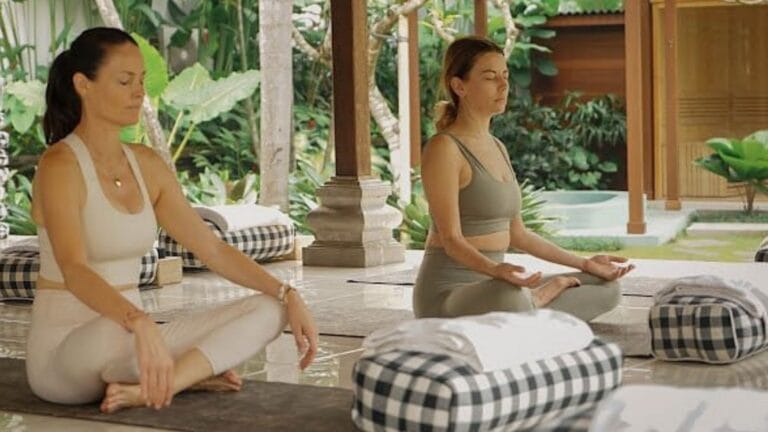
To support the cultivation of emotional steadiness, I invite you to begin this simple five-minute daily ritual. You may do it each morning, or at any moment you need to return to yourself.
The Mind Garden Check-In
- Sit quietly, holding a cup of tea or simply resting your hands in your lap.
- Ask yourself, “What is the weather in my mind today?”
Are you feeling clear, cloudy, stormy, restless? - Ask, “What do I need in order to feel nourished today?”
- Set one simple intention. For example: “Today, I will speak gently to myself,” or “Today, I will pause before reacting.”
Repeat this practice for seven days. Let it become a touchstone that brings you back to the present moment.
.
Final Reflection
Emotional balance is not a destination. It is a relationship with yourself that is built over time, through honesty, presence, and practice.
You do not need to fix everything. You only need to become more skillful in how you meet what is already here. When you do, life begins to feel more spacious. You notice beauty where you once felt numb. You hold your power without needing to fight for it.
This is the gift of inner balance.
It does not remove life’s challenges, but it transforms how you move through them.
It invites joy to return—not as a fleeting feeling, but as a way of being.
Let this be the start of your learning to consciously cultivate a new level of emotional stability. Let it be the beginning of something softer, stronger, and beautifully your own.
— Chelsea Ross